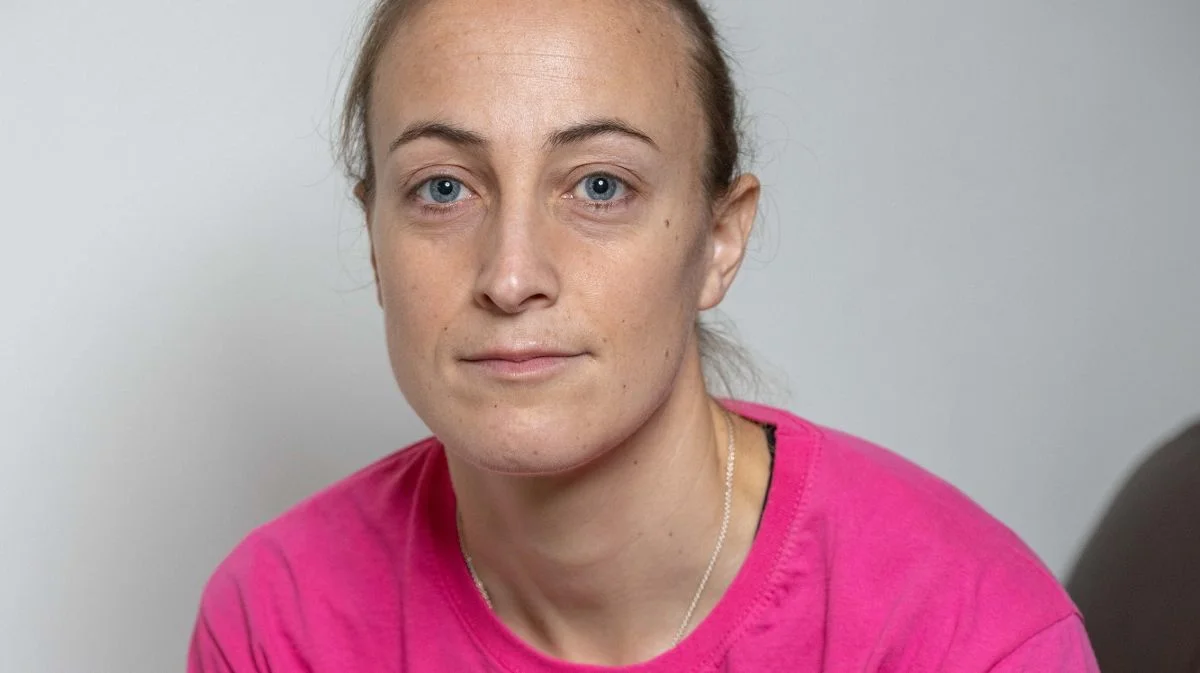
Amy Carr, a former England youth international and goalkeeper who played for Arsenal, Chelsea and Reading, has died aged 35 following an 11-year struggle with a high-grade brain tumour. Diagnosed in 2015 after a sudden blackout triggered by an unexpected phobia, Carr underwent multiple rounds of surgery, radiotherapy and chemotherapy. Despite being told last summer that her condition was terminal with a prognosis of six to nine months, she completed the Dublin Marathon in 2024, raising £28,718 for brain tumour research before her passing.
The Initial Diagnosis That Changed Everything
Carr's health crisis began unexpectedly in 2015 when she experienced a fainting episode whilst encountering a spider—an unusual reaction that prompted medical investigation. The subsequent MRI scan revealed a tumour approximately the size of a golf ball lodged in her brain, later identified as a high-grade astrocytoma. Speaking to the BBC at the time of her diagnosis, Carr described her bewilderment at her body's extreme response, noting that such a reaction to the sight of an arachnid was entirely out of character for her.
The discovery came as a devastating shock to the goalkeeper, who had been pursuing a professional football career. She recalled walking "frantic laps" around her bedroom following the incident and subsequently experienced two additional episodes of lost consciousness, one occurring at the gym within 18 months of the initial blackout.
Surgery, Treatment and the Road to Recovery
Carr underwent a craniotomy—a surgical procedure to remove as much of the tumour as possible—which left her unable to walk or speak for eight consecutive days. The operation represented a significant physical trauma, requiring her to rebuild fundamental motor and communication functions during an extended rehabilitation period.
Following the surgery, she embarked on a rigorous treatment regimen comprising both radiotherapy and chemotherapy, combined with extensive physiotherapy to restore her mobility and speech capabilities. The recovery process was protracted and demanding, yet Carr persevered through the medical interventions with determination. For a period, it appeared that her condition had stabilised, offering hope that she might return to a more normal life following her ordeal.
A Remarkable Achievement Against the Odds
In 2024, approximately nine years after her initial diagnosis, Carr completed the Dublin Marathon—an extraordinary physical feat that underscored her resilience and commitment to supporting others facing similar diagnoses. The marathon undertaking was rendered all the more remarkable given her medical history and the physical demands such endurance events place on the human body.
Her participation in the race was not merely a personal achievement but served a charitable purpose. Through her marathon effort, Carr raised £28,718 for Brain Tumour Research, a substantial sum that would contribute to funding vital scientific investigations into the condition that had dominated her adult life. The fundraising campaign demonstrated her determination to transform her personal struggle into meaningful support for medical research that could benefit future patients.
Terminal Diagnosis and Final Months
The optimism surrounding her recovery proved temporary. In August 2024, following an annual medical check-up, Carr experienced the onset of blurred vision and slurred speech—symptoms that prompted further investigation. Scans revealed that the tumour had returned, marking a significant setback in her health trajectory. Doctors subsequently delivered the devastating news that her condition was now terminal, providing a prognosis of between six to nine months remaining.
Despite this terminal diagnosis, Carr continued to raise awareness about brain tumour research. A JustGiving page established in her name remained open for donations, allowing supporters to contribute to the research efforts she championed. Her willingness to maintain focus on helping others even whilst facing her own mortality exemplified her character and commitment to the cause.
Professional Football Career and Legacy
Carr represented England at youth level on 16 occasions, competing up to Under-19 standard during her international career. Her club football experience encompassed three professional organisations: Arsenal Women's Football Club, Chelsea Women's Football Club and Reading Women's Football Club. As a goalkeeper, she occupied one of football's most demanding positions, requiring exceptional concentration, reflexes and decision-making under pressure.
Her professional achievements were significant within the context of women's football during the period when she competed. The sport was experiencing gradual expansion and professionalisation during her career years, and players of her calibre contributed to raising standards and public interest in the women's game.
Tributes and Public Response
Following announcement of her death, tributes emerged from across the football community and beyond. The England Lionesses, the senior women's national football team, issued a statement expressing their heartbreak at her passing and acknowledging her inspirational approach to her illness. Brain Tumour Research, the organisation she had supported through her marathon fundraising, released a formal tribute emphasising her "incredible strength and determination" throughout her 11-year battle.
Social media users and acquaintances shared personal reflections on Carr's character and resilience. The consistent theme throughout public tributes was admiration for her courage in confronting a serious illness whilst simultaneously working to support others facing similar diagnoses through charitable fundraising.
Celebrating a Life Well-Lived
A celebration of Carr's life was scheduled to take place on 23 March in Hertfordshire, providing an opportunity for family, friends and colleagues to honour her memory and reflect upon her contributions both to football and to medical research awareness. The event represented a chance for those who knew her to share memories and acknowledge the impact she had made during her 35 years.
Her JustGiving page for brain tumour research continued to accept donations, ensuring that her legacy of supporting scientific investigation into the condition would persist beyond her lifetime. The fundraising mechanism allowed individuals moved by her story to contribute financially to research that might help prevent others from experiencing similar health challenges.
Related Articles
Amy Carr's death marks the end of a remarkable chapter in both women's football and medical resilience. From her initial shock diagnosis in 2015 through her terminal prognosis in 2024, she demonstrated exceptional fortitude whilst maintaining a commitment to supporting brain tumour research. Her completion of the Dublin Marathon and the £28,718 she raised for scientific investigation stand as testaments to her character. Though her football career was curtailed by illness, her legacy extends beyond the pitch into the realm of charitable support and public awareness of brain tumour research. Her story serves as a reminder of both the unpredictability of serious illness and the capacity of individuals to find purpose and meaning even whilst confronting their own mortality.